


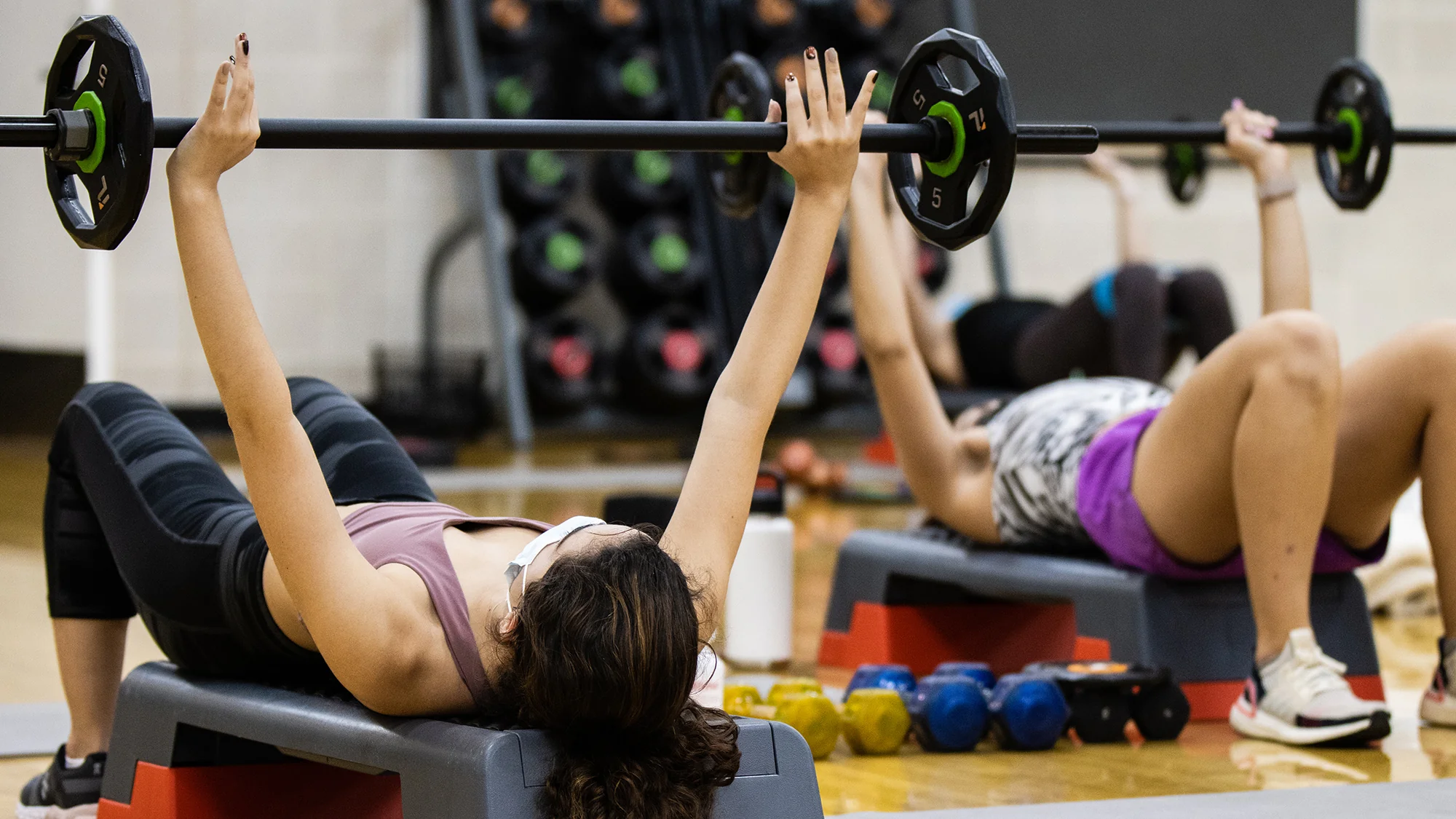
The months following childbirth are among the most physically transformative of a woman’s life. The body that spent nine months expanding, adapting, and supporting a growing human now faces the equally demanding task of recovering, rebuilding, and recalibrating. For many new mothers in Singapore, the question of returning to exercise is both urgent and confusing. Urgent because fitness and mental health are deeply connected, and the postpartum period is notorious for the emotional weight it carries. Confusing because the advice available is often generic, contradictory, or simply not designed with structured group fitness in mind.
The bodypump class sits in an interesting position for postpartum women. It is a format that delivers genuine strength and cardiovascular benefits in a structured, instructor-led environment. It is also a format that requires careful consideration of the specific physiological realities of a postpartum body before it is appropriate to participate at full capacity. This article provides a clear, evidence-informed guide to understanding when and how new mothers can safely and effectively return to BodyPump.
What Actually Happens to the Body During and After Pregnancy
Understanding postpartum recovery requires a clear picture of what pregnancy does to the body structurally. During the third trimester, the growing uterus exerts significant pressure on the pelvic floor muscles, the group of muscles that form a hammock across the base of the pelvis supporting the bladder, bowel, and uterus. These muscles are also subjected to intense loading and potential trauma during vaginal birth, and even women who deliver by caesarean section experience significant pelvic floor changes from the weight of pregnancy itself.
The connective tissue throughout the body, particularly in the abdominal wall and pelvis, is affected by the hormone relaxin, which increases ligament laxity to allow the pelvis to widen during birth. Relaxin levels remain elevated during breastfeeding, meaning that joint stability throughout the entire body is reduced for longer than most women realise. This has direct implications for exercises that load the spine and lower limbs under resistance.
Diastasis recti, the separation of the rectus abdominis muscles along the midline of the abdomen, affects a significant proportion of women during and after pregnancy. Research suggests that some degree of linea alba separation is present in the majority of pregnant women at 35 weeks, and many continue to have functionally significant separation well into the postpartum period. Loading the abdomen under resistance before this separation has adequately healed can worsen the condition, which is why abdominal exercise progression postpartum requires more thought than simply returning to what felt normal before pregnancy.
The Pelvic Floor: The Foundation of Safe Postpartum Exercise
No conversation about returning to resistance training after childbirth is complete without a thorough discussion of pelvic floor function. The pelvic floor is not a single muscle. It is a complex system of muscles, ligaments, and fascia that must work in coordinated patterns to manage intra-abdominal pressure, support the pelvic organs, and contribute to spinal stability.
When the pelvic floor is not functioning optimally, increased intra-abdominal pressure from loaded exercise can manifest as urinary leakage during exertion, pelvic heaviness or a sensation of pressure from below, lower back or hip pain, or an inability to engage the deep core effectively. These are not symptoms to push through. They are signals that the pelvic floor is not yet ready for the loading demands of a full BodyPump class.
Before returning to any form of resistance group exercise, postpartum women are strongly advised to see a women’s health physiotherapist for a pelvic floor assessment. This assessment, which is standard care in many countries and increasingly available in Singapore, evaluates pelvic floor strength, coordination, endurance, and the presence of any prolapse or trauma that requires specific rehabilitation before returning to gym activities.
Caesarean Section Recovery: An Additional Layer of Consideration
Women who have delivered by caesarean section face an additional consideration that is often underestimated. A c-section is a major abdominal surgery involving incision through multiple layers of tissue including skin, fascia, and uterus. Full internal healing of a c-section scar takes significantly longer than the external wound closure suggests, with fascial layers requiring up to six months for adequate tensile strength recovery.
Returning to loaded exercises like squats, deadlifts, and lunges before this internal healing is complete can compromise scar tissue integrity and contribute to complications including scar adhesions that restrict movement and function. Exercises that significantly elevate intra-abdominal pressure should be introduced very gradually and only after clearance from both a medical doctor and a women’s health physiotherapist who has assessed the scar.
A Realistic Timeline for Returning to BodyPump
The traditional “six-week clearance” that many women receive from their obstetrician is a general medical clearance related to uterine healing and infection risk. It is not a fitness clearance, and it does not mean that returning to a full BodyPump class at six weeks postpartum is appropriate or safe for all women. The following is a more realistic framework:
Weeks zero to six are focused purely on rest, gentle walking, and basic breathing and pelvic floor reconnection exercises. No loaded resistance training should occur during this period regardless of how strong you feel.
Weeks six to twelve, following medical clearance and ideally physiotherapy assessment, involve a gradual return to cardiovascular activity, bodyweight movements, and specific pelvic floor rehabilitation exercises. Swimming and walking can be introduced comfortably during this window.
Weeks twelve to twenty are appropriate for beginning low-load resistance training with careful attention to pelvic floor response. This might include attending a BodyPump class with a very light or unloaded bar, focusing entirely on technique and pelvic floor management rather than training load.
From twenty weeks onward, most women who have completed pelvic floor rehabilitation and show no symptoms of pelvic floor dysfunction during exercise can begin to progressively load their BodyPump sessions toward a level approaching pre-pregnancy intensity. This progression should be gradual, guided by symptoms rather than ego, and supported by ongoing physiotherapy input where needed.
Breastfeeding Mothers: Hormonal Considerations for Exercise
Breastfeeding sustains elevated relaxin and progesterone levels while maintaining a hormonal environment that prioritises energy availability for milk production. This has two practical implications for BodyPump participation. First, joint laxity from relaxin means that technique and alignment during loaded movements like squats and deadlifts deserve extra attention, as the passive stability normally provided by joint-supporting ligaments is reduced.
Second, breastfeeding women need to ensure that their caloric intake is adequate to support both milk production and exercise recovery. The energy demands of breastfeeding are substantial, and adding regular BodyPump sessions without adjusting food intake can result in fatigue and insufficient recovery rather than the fitness gains the training is intended to produce.
Hydration is also critically important. BodyPump sessions involve significant fluid loss through sweat, and breastfeeding increases baseline fluid requirements. Bringing a water bottle to class and rehydrating thoroughly afterward supports both exercise recovery and milk supply.
Modifications That Make BodyPump Accessible for Postpartum Women
True Fitness Singapore instructors are trained to support participants with specific needs, and informing your instructor that you are postpartum before class allows them to guide your modifications appropriately. General modifications for women returning to BodyPump in the early postpartum period include starting with a completely unloaded bar to focus on technique, skipping or modifying any movements that produce pelvic floor symptoms, avoiding full range-of-motion deep squats until hip and pelvic stability is confirmed, and taking rest breaks within tracks rather than pushing through fatigue that compromises form.
FAQ
Q: My doctor gave me the all-clear at six weeks. Can I go straight back to BodyPump? A: Medical clearance at six weeks addresses uterine healing and infection risk, not exercise readiness. A pelvic floor physiotherapy assessment is strongly recommended before returning to any loaded group fitness class. Many women are ready to begin a modified return around this time, but full participation typically takes longer.
Q: I had a caesarean section. Does this change my return-to-exercise timeline significantly? A: Yes. C-section recovery involves healing from major abdominal surgery, and internal fascial healing can take up to six months. A more conservative return is advised, with specific attention to avoiding exercises that significantly raise intra-abdominal pressure until scar healing is confirmed by a physiotherapist.
Q: I leak urine when I do jumping movements. Can I still do BodyPump? A: Urinary leakage during exercise is a sign of pelvic floor dysfunction, not a normal consequence of having had a baby. You should see a women’s health physiotherapist before continuing with any exercise that triggers this symptom. The BodyPump format can be modified to avoid high-impact movements while rehabilitation progresses.
Q: How do I know if my abdominal separation is healed enough to do core work in BodyPump? A: A physiotherapist can assess your diastasis recti and guide you on safe core loading. In general, exercises that cause coning or doming along the midline of the abdomen when performing core movements should be avoided until the linea alba has adequate tensile strength.
Q: Will BodyPump affect my milk supply if I am still breastfeeding? A: Moderate exercise does not reduce milk supply in well-nourished and well-hydrated women. Ensure your caloric intake is adequate, hydrate thoroughly before, during, and after class, and feed or express before the session to maximise comfort during exercise.

Comments are closed.