


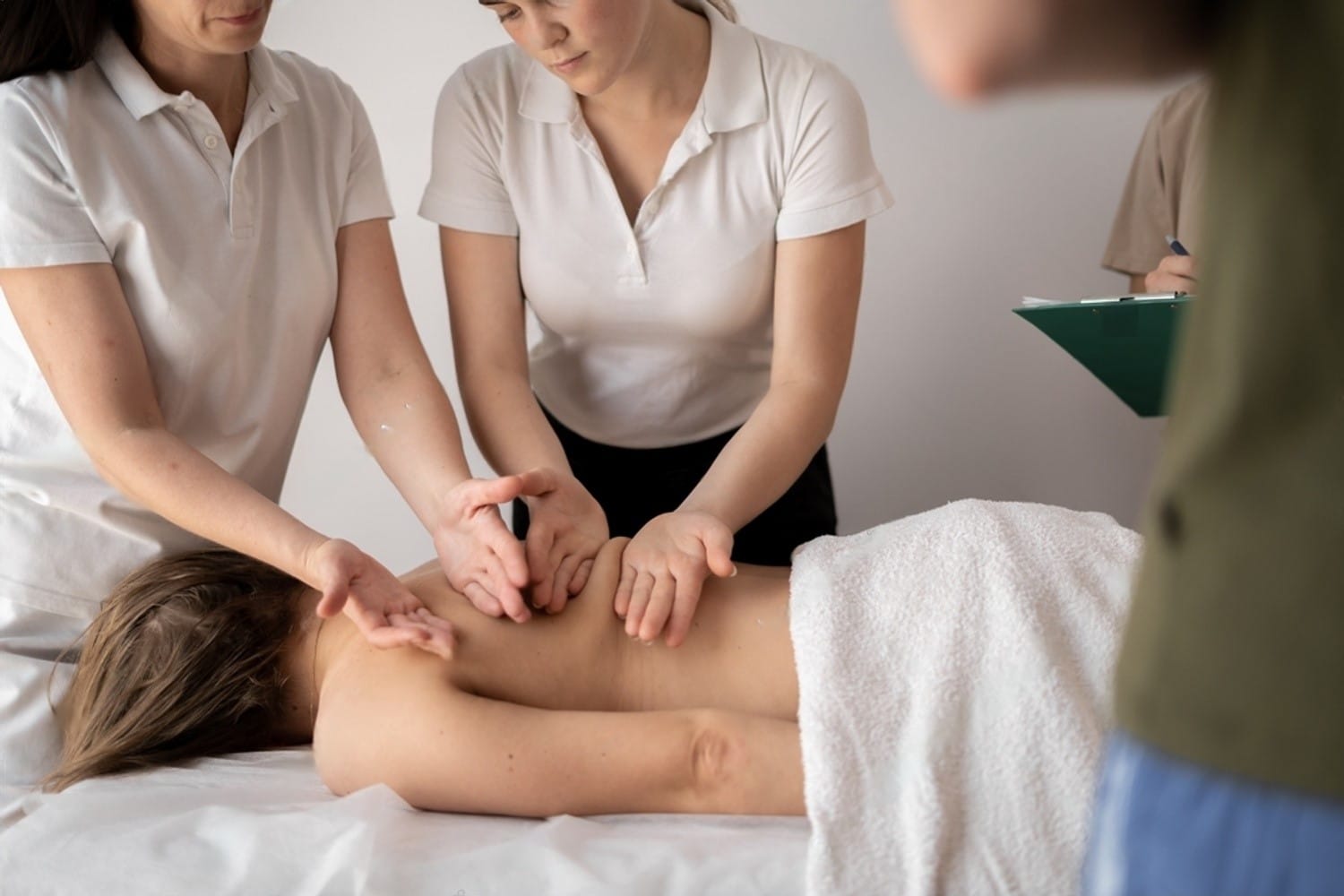
Completing massage therapy certification training opens the door to a variety of rewarding career paths. With the growing demand for wellness services and holistic healthcare, certified massage therapists are in high demand across multiple industries. These professionals not only provide therapeutic relief but also contribute to overall well-being, helping clients manage stress, pain, and physical discomfort. Understanding the career opportunities available after completing massage therapy certification training can help aspiring therapists plan their professional journey and maximize their potential in this dynamic field.
Traditional Roles in Wellness and Healthcare
One of the most common career paths for certified massage therapists is working in wellness and healthcare settings. Spas, wellness centers, and medical clinics often employ trained professionals to provide therapeutic services to clients seeking relaxation, pain management, or rehabilitation support. Massage therapists may work alongside physiotherapists, chiropractors, or occupational therapists, integrating their techniques into broader treatment plans.
Hospital and rehabilitation centers also offer opportunities for massage therapists to assist patients recovering from injuries, surgeries, or chronic conditions. In these settings, certified professionals apply their knowledge of anatomy, physiology, and therapeutic techniques to improve mobility, reduce discomfort, and support the healing process. Traditional wellness roles provide stability and structured work environments, allowing therapists to build experience and credibility while directly impacting clients’ quality of life.
Entrepreneurial and Freelance Opportunities
Massage therapy certification training equips professionals with the skills and confidence to pursue entrepreneurial and freelance careers. Many certified therapists choose to start their own private practices, offering personalized services to individual clients or small groups. This path allows for flexible scheduling, customized treatments, and the ability to develop a unique brand in the wellness industry.
Freelance opportunities extend beyond private practices. Certified massage therapists can collaborate with gyms, yoga studios, or corporate wellness programs to provide on-site services. Events, retreats, and conventions also seek professional therapists to deliver specialized treatments for attendees. This versatility offers therapists the chance to diversify their income streams while expanding their professional network. For those with strong business acumen, entrepreneurial ventures can lead to long-term growth, professional autonomy, and the satisfaction of running a successful wellness-focused enterprise.
Specialized Careers and Advanced Certifications
Beyond general massage therapy, certification training can serve as a stepping stone toward specialized careers. Therapists may pursue additional certifications in areas such as sports massage, prenatal massage, deep tissue therapy, or lymphatic drainage. These advanced credentials open doors to niche markets where specialized skills are highly valued.
Sports teams, rehabilitation clinics, and professional athletic organizations often seek certified therapists with expertise in injury prevention and performance enhancement. Prenatal massage specialists work closely with expectant mothers, providing safe and effective techniques to alleviate discomfort and promote well-being during pregnancy. Similarly, therapists trained in medical or clinical massage collaborate with healthcare providers to address specific medical conditions. Specialization not only increases employability but also allows massage therapists to command higher rates and gain recognition as experts in their chosen field.
Opportunities in Education and Consulting
Massage therapy certification training can also lead to careers in education and consulting. Experienced therapists often become instructors, sharing their knowledge with new students in accredited programs or workshops. Teaching provides the opportunity to shape the next generation of professionals while refining one’s own skills and staying updated on industry trends.
Consulting roles are another avenue for certified therapists. Businesses, wellness centers, and healthcare organizations may seek guidance on integrating massage therapy into their offerings, optimizing client experiences, or developing staff training programs. By leveraging expertise gained through certification training, massage therapists can influence practices beyond individual client sessions, contributing to the broader development of the wellness industry. Education and consulting opportunities provide professional variety and the potential to impact the field on a larger scale.

Comments are closed.