


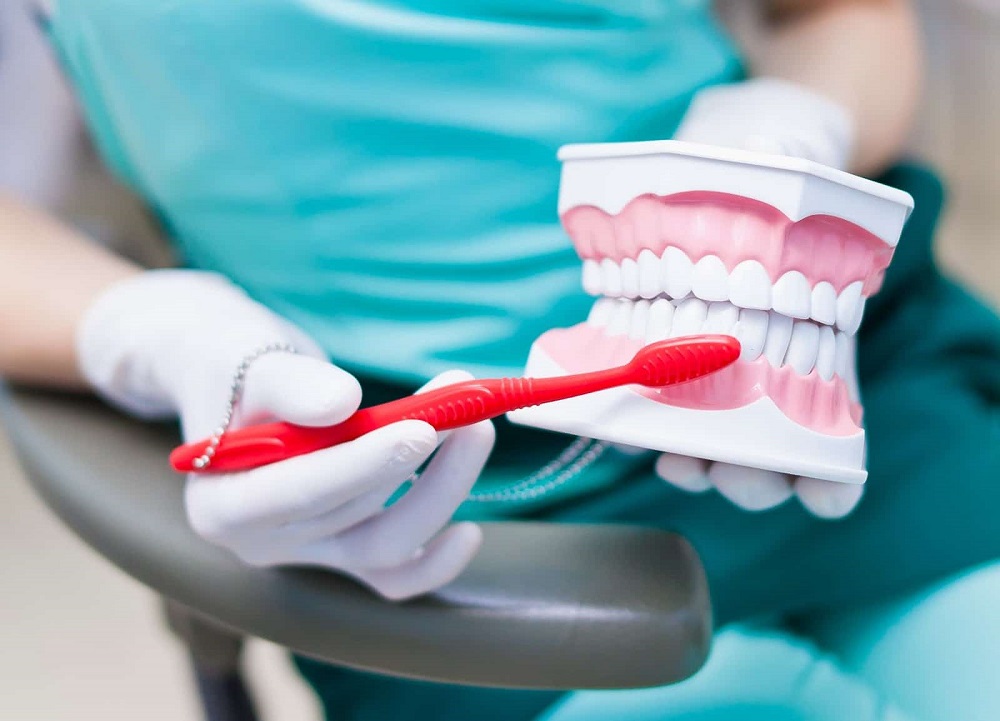
Oral health is a critical component of overall well-being, yet it is frequently neglected until a painful issue arises. Many people view dental visits as reactive measures, scheduling an appointment only when a toothache becomes unbearable or a cavity forms. However, the true foundation of a healthy mouth lies in preventive dental care. By focusing on proactive maintenance, individuals can avoid complex treatments, save significant amounts of money, and protect their systemic health. Preventive dental care is not merely an option for maintaining a bright smile; it is a vital healthcare practice that influences long-term quality of life.
Understanding Preventive Dental Care
Preventive dental care encompasses all the practices, treatments, and daily habits designed to prevent oral diseases before they start. The primary objective is to stop conditions like dental caries (tooth decay), gingivitis (early gum disease), and periodontitis (advanced gum disease) from developing or progressing. This approach relies on a partnership between the patient and dental professionals.
Professional preventive care includes routine dental examinations, professional cleanings, diagnostic screenings, and specialized applications like fluoride treatments or dental sealants. At home, preventive care involves maintaining consistent oral hygiene practices, such as proper brushing and flossing, alongside eating a balanced diet. Together, these strategies target the primary culprit behind most oral health issues: dental plaque. Plaque is a sticky, colorless film of bacteria that constantly forms on the teeth. If it is not removed regularly, it hardens into tartar, which can only be cleared by a dental professional and serves as a breeding ground for destructive bacteria.
The Economic Benefits of Preventive Dentistry
One of the most compelling arguments for prioritizing preventive dental care is the financial savings it offers. Dental treatments can become exceptionally expensive when conditions are left to deteriorate. A minor, undetected cavity can easily be resolved with a simple, affordable filling. However, if that same cavity is ignored, the decay will eventually penetrate the inner chamber of the tooth, reaching the pulp and nerve tissue. This progression requires a root canal therapy and a protective crown, a process that costs substantially more than a basic filling.
If the tooth cannot be saved, extraction becomes necessary, followed by an implant or a bridge to restore function and aesthetics. The cost of a single dental implant can equal the price of decades worth of routine checkups. Most dental insurance plans recognize this economic reality and fully cover preventive services, such as bi-annual cleanings and exams, with little to no out-of-pocket cost to the patient. Investing time in routine visits serves as an effective financial shield against catastrophic dental expenses later in life.
Protecting the Integrity of Tooth Structure
Teeth are remarkably durable, but they cannot regenerate their primary structures once damaged. Enamel, the hard outer surface of the tooth, is the most highly mineralized substance in the human body. Despite its strength, enamel is highly susceptible to acid attacks from bacteria that feed on dietary sugars. When enamel erodes or decays, the damage is permanent.
Regular dental checkups allow practitioners to identify early signs of demineralization, which is the initial stage of tooth decay before a literal cavity forms. At this stage, dental professionals can apply topical fluoride varnishes to remineralize the enamel, effectively reversing the early damage without any drilling. Furthermore, for children and teenagers, dentists often apply dental sealants. These are thin, protective plastic coatings painted onto the chewing surfaces of the molars. Sealants fill the deep grooves and pits where food particles and bacteria frequently get trapped, reducing the risk of decay in those areas by up to eighty percent. Through these interventions, preventive care preserves the natural tooth structure, ensuring that teeth remain strong and functional throughout an individual’s lifetime.
Preventing the Silent Threat of Periodontal Disease
While cavities alter the teeth directly, periodontal disease attacks the supporting structures, including the gums and the alveolar bone. Periodontal disease typically begins as gingivitis, characterized by red, swollen, or bleeding gums. Because gingivitis rarely causes significant pain, many individuals ignore these early warning signs.
Without professional intervention, gingivitis can escalate into periodontitis. During this advanced stage, the gums pull away from the teeth, forming deep pockets that become infected. The body’s immune response to the infection, combined with the toxins produced by the bacteria, begins to break down the bone and connective tissue that hold the teeth firmly in place. Over time, the teeth become loose and may fall out or require surgical extraction. Periodontal disease is the leading cause of adult tooth loss worldwide. Routine professional cleanings are the only way to remove the calcified tartar deposits that trigger this destructive cycle, making regular visits an absolute necessity for retaining natural teeth.
The Dynamic Link Between Oral and Systemic Health
The mouth does not exist in isolation from the rest of the body; it serves as a primary point of entry to the digestive and respiratory tracts. Extensive medical research has established a profound connection between oral health and systemic diseases. The chronic inflammation and bacteria associated with periodontal disease can enter the bloodstream, traveling to other vital organs and escalating systemic health risks.
Several serious medical conditions are closely linked to poor oral health:
-
Cardiovascular Disease: The bacteria responsible for gum disease can cause inflammation in the blood vessels, increasing the risk of clogged arteries, stroke, and endocarditis, which is an infection of the inner lining of the heart valves.
-
Diabetes Management: The relationship between diabetes and gum disease is a dangerous two-way street. Individuals with diabetes are more susceptible to severe gum infections due to reduced healing capabilities. Conversely, chronic periodontal inflammation makes it significantly harder for diabetic patients to control their blood glucose levels.
-
Respiratory Infections: Bacteria from infected teeth and swollen gums can be inhaled into the lungs, potentially causing severe respiratory issues like pneumonia, especially in elderly or immunocompromised individuals.
-
Pregnancy Complications: Severe periodontitis in pregnant individuals has been statistically linked to premature births and low birth weights, likely due to the systemic inflammatory response triggered by oral pathogens.
By aggressively managing oral hygiene and scheduling routine preventive visits, patients significantly reduce the overall inflammatory burden on their bodies, supporting their broader physiological health.
Essential Components of an Effective Home Care Routine
Professional intervention is only half of the preventive equation; daily maintenance at home forms the baseline of defense. Consistently practicing proper techniques ensures that plaque levels remain low between dental visits.
An optimal home care routine must include the following habits:
-
Brushing Twice Daily: Utilize a soft-blistled toothbrush and a fluoride toothpaste. Brush for at least two full minutes, ensuring all surfaces of the teeth are cleaned. The toothbrush should be held at a forty-five-degree angle toward the gumline, where plaque builds up most aggressively.
-
Daily Flossing: Toothbrushes cannot reach the tight spaces between teeth or just beneath the gumline. Flossing at least once a day removes hidden food particles and plaque, preventing interproximal cavities that form between adjacent teeth.
-
Nutritional Awareness: Limit the consumption of sugary snacks, acidic sodas, and processed carbohydrates. Bacteria thrive on simple sugars, producing acids that erode enamel. Drinking plenty of water, particularly fluoridated tap water, helps wash away loose debris and neutralizes harmful acids.
-
Replacing Tools Regularly: Replace toothbrushes or electric toothbrush heads every three to four months, or sooner if the bristles become frayed. Frayed bristles lose their effectiveness and can potentially irritate delicate gum tissue.
Frequently Asked Questions
How often should an individual ideally visit the dentist for preventive care?
For the vast majority of patients, visiting the dentist twice a year, or every six months, is the standard recommendation. However, individuals with specific risk factors, such as a history of periodontal disease, diabetes, smoking, or a compromised immune system, may require more frequent visits, such as every three to four months, to keep oral bacteria controlled.
Why do teeth sometimes feel sensitive or sore after a professional dental cleaning?
Mild sensitivity after a cleaning is relatively common, especially if a patient had a significant buildup of tartar. When large deposits of tartar are removed, areas of the tooth and root surfaces that were covered are suddenly exposed to air, temperature changes, and fluids. The gum tissue may also feel slightly tender if it was inflamed due to the presence of tartar. This sensitivity typically resolves within a few days as the gums heal.
Is it necessary to use a mouthwash as part of a daily preventive oral care routine?
While mouthwash is a helpful addition, it is not an acceptable substitute for brushing and flossing. Therapeutic mouthwashes containing active ingredients like fluoride or antimicrobial agents can help reduce plaque, combat bad breath, and strengthen enamel. However, mouthwash cannot mechanically disrupt and remove the sticky plaque film from tooth surfaces the way brushing and flossing do.
Can an adult benefit from professional fluoride treatments or are they only for children?
Adults can absolutely benefit from professional fluoride treatments. While these treatments are heavily emphasized for developing teeth in children, adults who are prone to frequent cavities, suffer from dry mouth, or have exposed root surfaces due to receding gums gain immense protection from the concentrated fluoride varnishes applied by dental professionals.
What is the difference between a standard dental cleaning and a deep cleaning?
A standard cleaning, known as a prophylaxis, focuses on removing plaque and tartar from the visible surfaces of the teeth above the gumline and is meant for patients with healthy gums. A deep cleaning, known as scaling and root planing, is a specialized treatment for patients with periodontal disease. It involves removing tartar from deep beneath the gumline and smoothing the root surfaces to eliminate bacteria and help the gums reattach to the teeth.
Why do dental professionals take X-rays during routine preventive checkups?
Dental X-rays are crucial diagnostic tools because they reveal structural issues that are completely invisible during a visual examination. X-rays allow dentists to spot cavities forming between the teeth, evaluate the health of the bone supporting the teeth, detect infections at the root tips, and monitor the development of wisdom teeth beneath the surface of the gums.
How does dry mouth impact an individual’s long-term oral health risk?
Saliva is the mouth’s natural defense mechanism. It constantly washes away food particles, neutralizes the harmful acids produced by oral bacteria, and supplies essential minerals like calcium and phosphate to rebuild enamel. When a person suffers from chronic dry mouth, which is often a side effect of medications or medical conditions, the lack of protective saliva causes a drastic spike in the rate of tooth decay and gum inflammation.

Comments are closed.