


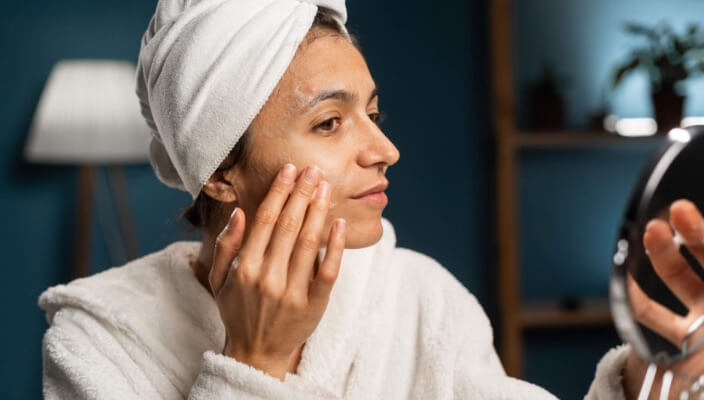
The human skin is a dynamic, living organ that serves as the body first line of defense against the external environment. Because it interfaces directly with the outside world, it is highly sensitive to changes in weather, humidity levels, temperature, and sun exposure. A skin care routine that keeps your complexion balanced and glowing during the hot, humid summer months can cause dryness, irritation, and flaking once the cold winter wind arrives.
To maintain optimal skin health and appearance, you must learn to read the changing environment and adjust your topical products accordingly. Treating skin care as a fluid, seasonal practice rather than a static daily checklist allows you to proactively prevent issues like barrier disruption, premature aging, and acne breakouts. By shifting your approach in alignment with the seasons, you can enjoy healthy, resilient skin all year long.
Spring Transitions and Deep Clearing
Spring represents a period of environmental transition. As the harsh cold of winter subsides and temperatures begin to rise, the skin oil glands, known as sebaceous glands, naturally increase their sebum production. This sudden shift can leave the skin feeling congested, heavy, or unusually prone to minor breakouts as old, dead winter skin cells mix with newly abundant oils.
The primary objective during spring skin care is to gently clear away winter buildup and transition to lighter formulas.
-
Incorporate Gentle Exfoliation: Replace heavy cold weather products with mild chemical exfoliants, such as alpha hydroxy acids like glycolic or lactic acid. These ingredients dissolve the bonds between dead skin cells, promoting cellular turnover and revealing a brighter surface without scratching the skin barrier.
-
Lighten Your Hydration: Swap out thick, lipid rich creams for lightweight, water based lotions or hyaluronic acid serums. These provide ample hydration without clogging pores or feeling greasy as humidity levels rise.
-
Prioritize Deep Cleansing: Switch from ultra mild, non foaming cream cleansers to gentle gel cleansers that can effectively wash away sweat, pollution, and excess surface oils without stripping away necessary moisture.
Summer Protection and Oil Control
Summer brings intense heat, high humidity, and peak ultraviolet radiation. During this season, the skin challenges pivot from moisture retention to intense sun protection and the management of excessive sweat and oil production. The combination of high heat and increased sebum creates a perfect environment for clogged pores, heat rashes, and inflammatory breakouts.
Sun protection is the absolute cornerstone of summer skin care. Ultraviolet radiation triggers oxidative stress, degrades structural collagen fibers, and accelerates the formation of fine lines and dark spots, a process known as photoaging.
-
Broad Spectrum Sunscreen Daily: Apply a broad spectrum sunscreen with an SPF of thirty or higher every single morning, regardless of whether you plan to stay indoors or head outside. Broad spectrum formulas protect against both UVA rays, which cause premature aging, and UVB rays, which cause sunburns. Reapply the product every two hours when spending time outdoors or after sweating.
-
Antioxidant Defense: Layer a vitamin C serum beneath your sunscreen in the morning. Vitamin C is a potent antioxidant that neutralizes the free radicals generated by UV light and environmental pollution, boosting the protective capacity of your sunscreen.
-
Non Comedogenic Formulations: Verify that all summer moisturizers and makeup products are specifically labeled as non comedogenic, meaning they are formulated to not clog pores when mixed with sweat and natural oils.
Autumn Repair and Barrier Reinforcement
As autumn arrives, the temperature drops and the air becomes significantly drier. The skin must quickly adapt from a high humidity environment to a cool, dry one. This transition period is when many individuals notice the first signs of dehydration, such as tightness, faint flaking around the nose and mouth, and a sudden dullness in their overall complexion.
Autumn is the ideal time to repair any sun damage sustained during the summer and reinforce the skin moisture barrier before the severe winter weather settles in.
-
Introduce Richer Moisturizers: Transition away from lightweight summer gels and embrace creams containing ceramides, fatty acids, and cholesterol. These ingredients mimic the natural lipids found in the skin barrier, patching up micro cracks and locking in essential moisture.
-
Reduce Exfoliation Frequency: As the air dries out, the skin becomes more susceptible to irritation. Cut back on aggressive exfoliation to protect the stratum corneum, the outermost layer of the skin, from becoming raw or compromised.
-
Incorporate Brightening Agents: Use autumn to address summer induced hyperpigmentation or dark spots. Ingredients like niacinamide, azelaic acid, or licorice root extract help fade discoloration gently, evening out the skin tone without causing dryness.
Winter Hydration and Environmental Protection
Winter presents the most hostile environmental conditions for human skin. The combination of freezing outdoor temperatures, biting winds, and low humidity levels strips moisture directly from the skin surface through a process called transepidermal water loss. Compounding the problem, indoor heating systems blast dry, warm air into living spaces, further dehydrating the body outermost defense layer.
Winter skin care requires an intense focus on deep hydration, soothing irritation, and creating a physical shield against the elements.
-
Utilize Humectants and Occlusives: Layer your skin care products strategically. Start with a humectant like glycerin or hyaluronic acid on damp skin to draw water into the cells. Follow immediately with a rich, occlusive cream or facial oil to seal that water inside, preventing it from evaporating into the dry winter air.
-
Switch to Cream Cleansers: Eliminate all harsh foaming cleansers, which can strip away the precious remaining lipids on the skin surface. Opt for soap free, hydrating cream or oil cleansers that cleanse the skin while depositing a thin, protective layer of moisture.
-
Protect Your Lips and Hands: The skin on the lips and hands is exceptionally thin and lacks abundant sebaceous glands, making these areas prone to painful cracking and bleeding in winter. Apply thick, petrolatum or shea butter based balms frequently throughout the day.
Designing a Universal Seasonal Strategy
While the products you select will change as the months progress, the underlying philosophy of your routine should remain consistent. Listen to your skin daily. If your face feels tight after cleansing, it is telling you to increase lipid levels or switch to a milder wash. If you notice unexpected congestion or small bumps, it may be time to introduce a gentle exfoliation step or reduce the weight of your daily lotion. By understanding the physiological impact of weather changes and adapting your approach proactively, you can ensure that your skin remains healthy, comfortable, and beautiful through every seasonal cycle.
Frequently Asked Questions
Is it necessary to wear sunscreen during the winter months or on cloudy days?
Yes, wearing sunscreen in the winter and on cloudy days is absolutely necessary. While UVB rays, which cause sunburn, are weaker during the colder months, UVA rays remain highly constant throughout the entire year. UVA rays can penetrate through dense cloud cover and standard glass windows, reaching the deeper layers of the skin to cause cellular damage and premature aging.
How does internal hydration by drinking water affect skin dryness during seasonal shifts?
Drinking water is crucial for systemic health, but it cannot completely cure dry skin caused by seasonal changes. Internal hydration delivers water to the living cells within the body, but environmental factors like dry winter air pull moisture directly off the outermost dead layer of the skin. To prevent this evaporation, you must use topical moisturizers that create a physical barrier to lock water inside the tissue.
Can an individual use the exact same cleanser all year if they change their moisturizer?
While some individuals with exceptionally balanced skin can use the same cleanser year round, many people benefit from shifting their cleanser with the seasons. A foaming or clarifying gel cleanser that successfully manages excess summer oils can prove far too stripping in the winter, leaving the skin barrier compromised. Switching to a gentle cream cleanser in the winter helps preserve the natural lipid layer.
Why do acne breakouts sometimes worsen during the transition from summer to autumn?
Autumn breakouts are often the result of summer skin damage mixing with seasonal dryness. Extended summer sun exposure can cause the outermost layer of the skin to thicken as a protective response. When autumn arrives and the air dries out, these dead cells dry up rapidly and can become trapped inside the pores by residual sebum, creating blockages that lead to sudden acne flare ups.
What is the difference between dry skin and dehydrated skin during seasonal weather changes?
Dry skin is a genetic skin type characterized by a natural lack of oil production, meaning the skin produces fewer lipids. Dehydrated skin is a temporary condition caused by a lack of water content within the skin cells, frequently triggered by external factors like low humidity, wind, or indoor heating. Dehydrated skin can affect any skin type, meaning even an oily complexion can become dehydrated in the winter.
How does taking hot showers during cold winter weather impact the health of the skin?
Taking long, hot showers in the winter is highly detrimental to skin health. While hot water feels comforting in the cold weather, it strips away the natural sebum and lipid barriers that protect the skin surface. This rapid depletion leaves the skin highly vulnerable to severe dryness, intense itching, and inflammation. It is far better to use lukewarm water and apply moisturizer immediately after stepping out of the shower.
Should professional skin care treatments like chemical peels be scheduled during specific seasons?
Deep exfoliating treatments, laser resurfacing, and strong chemical peels are best scheduled during the autumn and winter months. These procedures remove the protective outer layers of the skin, leaving the new tissue highly sensitive to ultraviolet radiation. Scheduling these treatments during seasons with lower UV indices drastically reduces the risk of post inflammatory hyperpigmentation and sun damage during the healing process.

Comments are closed.